Spray booths
The spray booths section brings together suppliers of booth systems, filtration, extraction and paint mixing equipment for the aftermarket repair trade. It is set up for practical discussions with workshop owners, fitment centre operators and parts buyers who need clear information on installation, running costs and compliance.
What you will find in the spray booths section
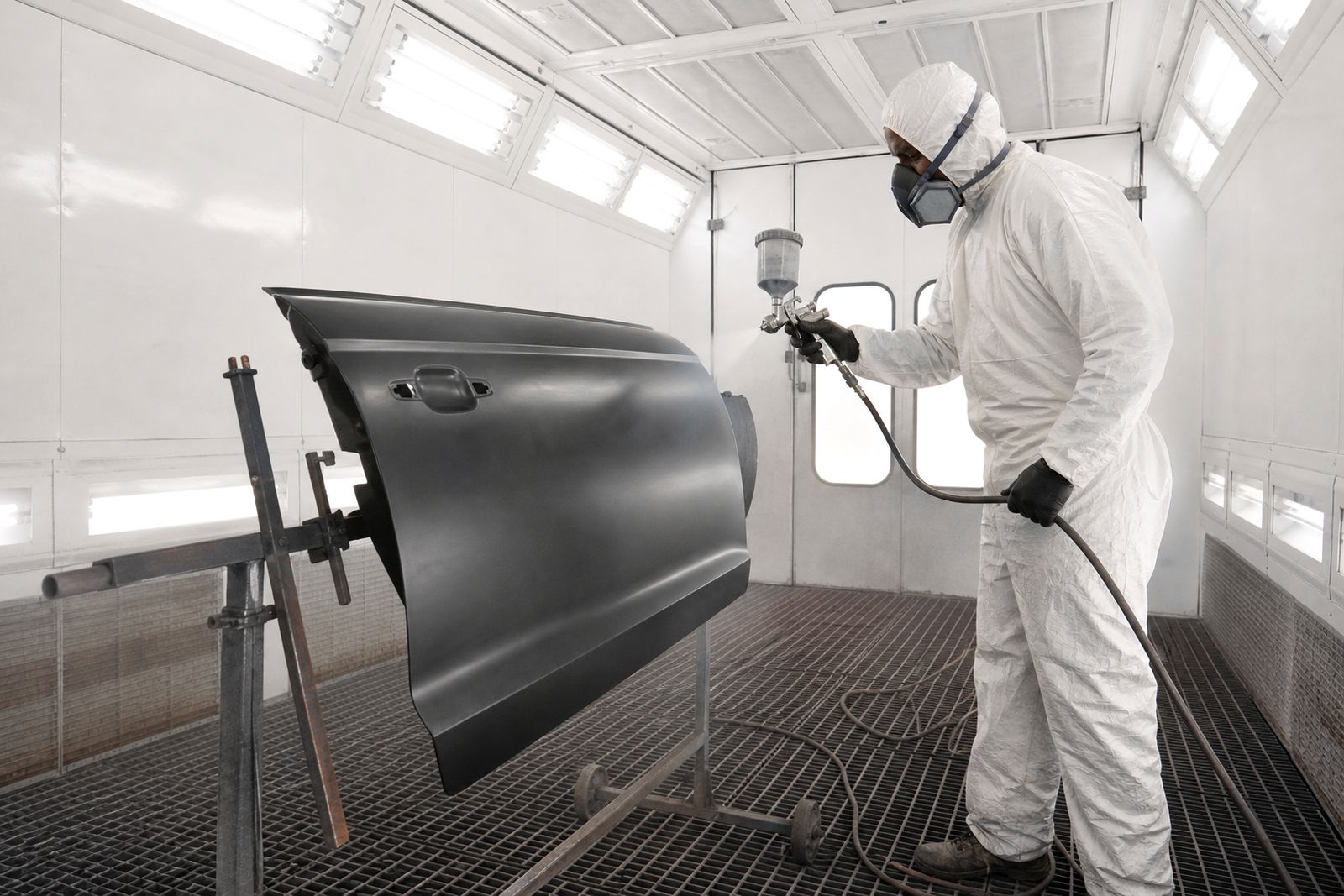
This part of the body shop hall is for equipment and systems used in automotive refinishing environments. Visitors can compare full booth builds, prep bays, extraction units, intake and exhaust filtration, cure cycles, control panels and paint mixing room layouts in one area. The aim is not only to show equipment, but to help buyers understand what suits a panel shop handling daily insurance work, fleet repairs or smaller private jobs.
Displays usually cover complete workflows from vehicle prep through spraying to bake cycles and final ventilation checks. Suppliers also use the space to explain how booth size, fan capacity and filter stages affect finish quality, turnaround time and operating cost. For workshops in Johannesburg and buyers travelling in from across Southern Africa this saves time because key categories are grouped together, not spread all over the show floor.
- Full spray booth systems for passenger and light commercial vehicles
- Prep bays and dedicated sanding or masking areas
- Intake and exhaust filters, ceiling filters and paint arrestor media
- Air movement, extraction and heated curing arrangements
- Paint mixing room layouts, storage and handling equipment
- Control systems, lighting options and operator safety items
What is included for exhibitors
Exhibitors booking into the spray booths section receive a position within the body shop hall where visitors already expect to find refinishing and repair equipment. The booking covers floor space, access for planning, coordination with the show team and category placement so that your stand sits among related products rather than beside unrelated aftermarket lines.
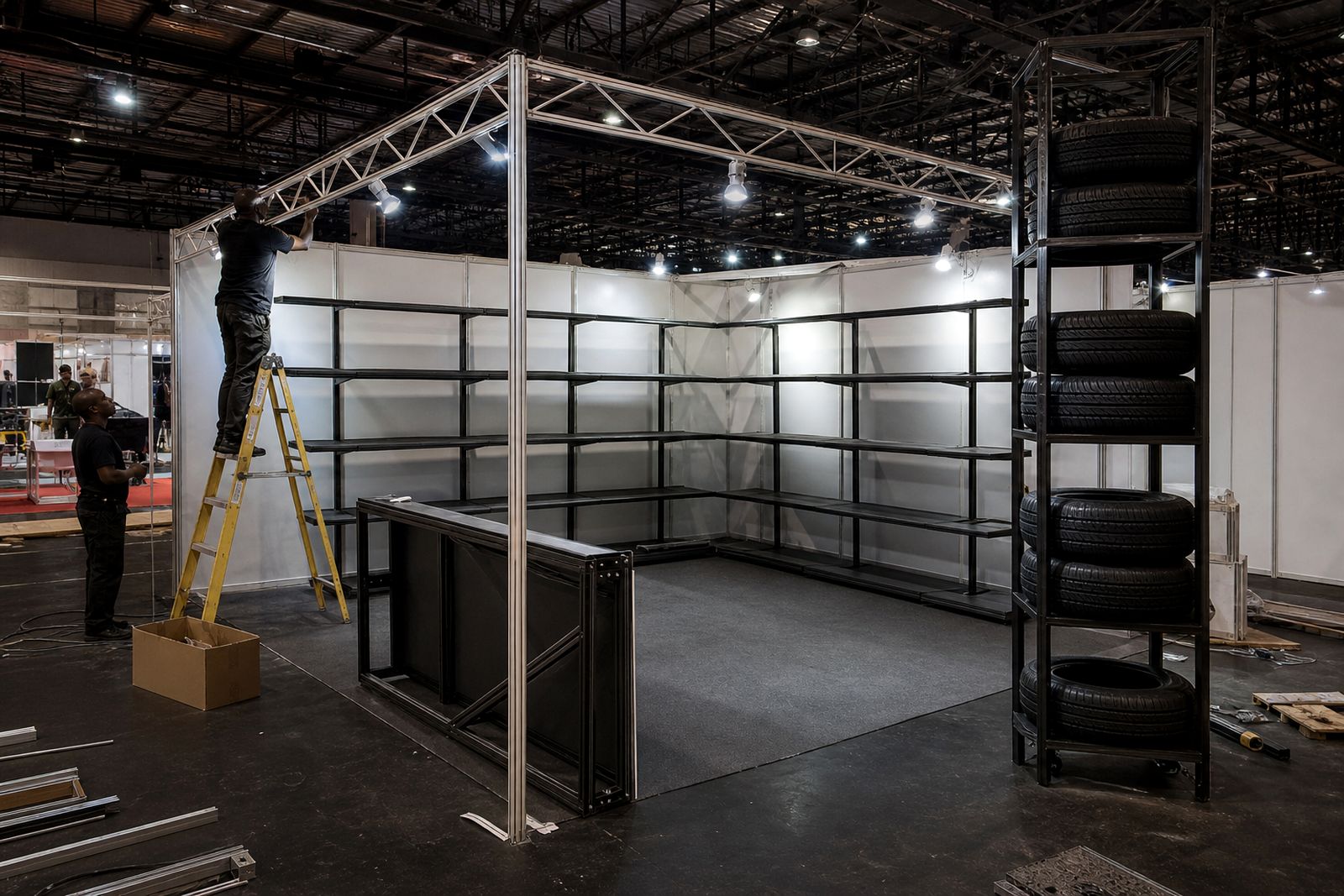
Where a supplier is showing technical equipment with ducting, filters, extraction components or enclosed structures, the show team works through practical requirements in advance. That includes footprint, height, power needs, safe access points and whether the display is static or includes a managed demonstration. We also look at delivery sequence because some booth components are bulky and need a sensible unloading plan, otherwise the hall gets congested fast.
- Allocated stand space in the spray booths area of the body shop hall
- Pre-show coordination on layout, power and operating requirements
- Guidance on safe demonstration planning and visitor flow
- Access windows for delivery, assembly and breakdown
- Category listing so trade visitors can find your stand more easily
How the exhibiting process works
The process starts with an enquiry through our contact page. Once we know what you want to show, we confirm whether it fits the spray booths section or another part of the body shop hall. This matters because a mixing room display, for example, draws a different type of buyer from a full booth shell or an extraction-only product line.
After that, we discuss the footprint and the operating plan step by step. We need to know the width, depth and overall height of the stand build, whether any canopy or enclosed section is involved, what electrical load is required and if there are moving parts, fans or lighting arrays. If you plan a live technical demonstration, the procedure and staffing must be clear from the start.
Next comes submission of your stand information and service needs. The show team checks access, neighbouring stands and hall rules before confirming the final arrangement. Closer to move-in, exhibitors receive delivery timing, assembly guidance and demonstration conditions. After the show, breakdown and outbound logistics follow the same controlled sequence so heavy items are not moved all at once.
- Send an enquiry with your product category and stand requirement
- Confirm booth type, display format and space needed
- Submit dimensions, power load and technical details
- Review hall rules, access and demonstration conditions
- Move in, build, operate and break down to the agreed plan
What you should prepare before the show
Good preparation makes a major difference in this category because buyers ask detailed questions. Bring clear information on airflow rates, filter stages, heat source options, cure temperature range, lighting levels and maintenance intervals. If you are showing a compact unit, explain which workshop size it suits. If you are promoting a larger installation, be ready to discuss floor area, extraction routing and service access. Buyers want answers they can take back to the workshop manager or owner, not vague sales talk.
It also helps to prepare simple comparison sheets. Many visitors are balancing booth performance against municipal requirements, building limits and electricity supply on their premises. In some industrial areas space is tight and roof height becomes the deal breaker. Coastal buyers often ask more about corrosion resistance and moisture control, while inland buyers may focus on heating efficiency and dust management.
- Stand drawings with full dimensions in metres
- Power requirement in kVA and any special connection needs
- Product sheets covering filtration stages and airflow performance
- Safety information for any demo equipment or enclosed display
- Lead capture method for follow-up after the event
- Staff who can answer technical and installation questions properly
How pricing is worked out
Pricing is generally based on the size and position of the stand, plus the services needed to support it. A simple information stand with samples and graphics is costed differently from a large technical display with booth framing, control gear and higher power demand. The more floor area you take and the more build complexity involved, the more the total cost tends to increase.
Other cost factors can include extra electrical supply, managed delivery windows for bulky items, special rigging or lifting requirements and any additional service connections needed for the display. If a supplier wants a more involved demonstration area with controlled visitor circulation, that also affects the final amount. We keep the discussion practical so exhibitors can match the stand to the type of buyer they want to meet, rather than overcommitting on space they dont need.
If you are unsure on size, we can discuss your equipment list first and suggest an appropriate footprint. That helps avoid paying for empty square metres or trying to squeeze a technical display into a space that is too small.
Aftercare and follow-up after the event
The work does not end when the hall closes. Exhibitors should sort and follow up leads quickly while product discussions are still fresh. Buyers in this category often need quotations, layout advice, extraction guidance or a site visit before they make a purchasing decision, so a prompt response matters. If your stand team promised technical sheets, power calculations or filter replacement schedules, send them without delay.
It is also worth reviewing which questions came up most often. Some exhibitors discover that visitors are more interested in retrofit filtration and maintenance than in complete booth replacement. Others find stronger demand for paint mixing room planning, safety storage or lower running costs. That feedback helps you adjust your next appearance and bring the right specialists, because the body shop audience is practical and notices when details are missing.
For future participation, keep notes on stand size, delivery timing and what worked on the floor. A neat, well briefed stand usually performs better than a bigger one with too much clutter.
What our Aftermarket Trade Show customers say
Verified Google reviews
Questions we get asked
Can we show a full-size booth structure?
Yes, subject to hall space, access, height limits and the technical review of your stand plan. Large structures must be declared early so delivery and assembly can be managed properly.
Are live demonstrations allowed in this section?
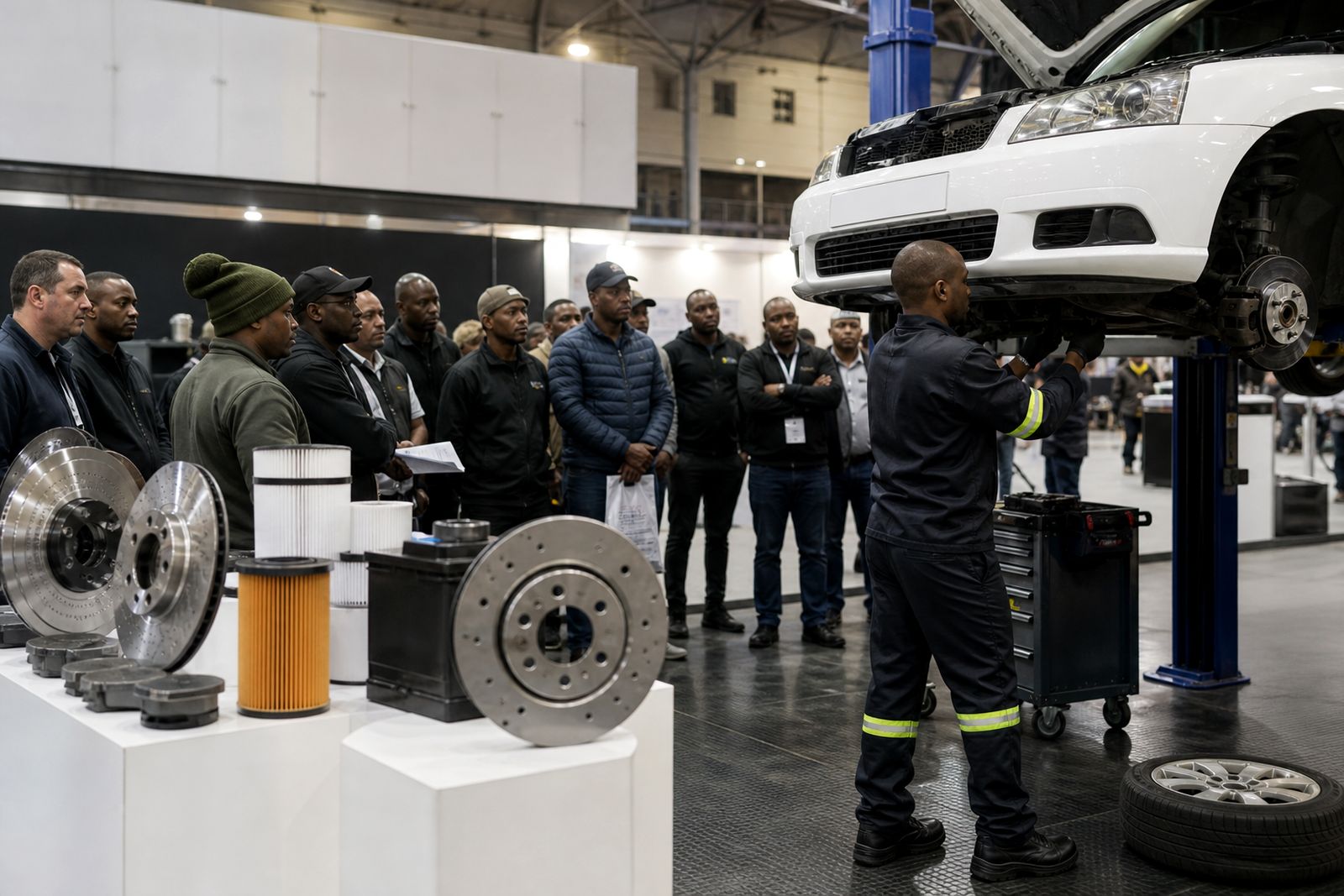
Controlled demonstrations may be possible if the procedure, power needs and safety arrangements are approved in advance. The exact setup depends on the equipment being shown.
Who visits the spray booths area?
The audience includes workshop owners, fitment centre operators, body repair buyers and parts distributors looking at refinishing equipment, filtration, extraction and related consumables.
Also worth a look
Book a stand or register to visit
Send a note through our contact form saying whether you supply parts or equipment, or run a workshop, distributor or fitment centre, and our team will reply with the next steps.
Open the contact form