Live workshop demos
See practical workshop work carried out on real vehicles on the show floor. This section helps visitors choose which demo areas matter most for their workshop, fitment centre or parts buying role.
What the live demo area covers
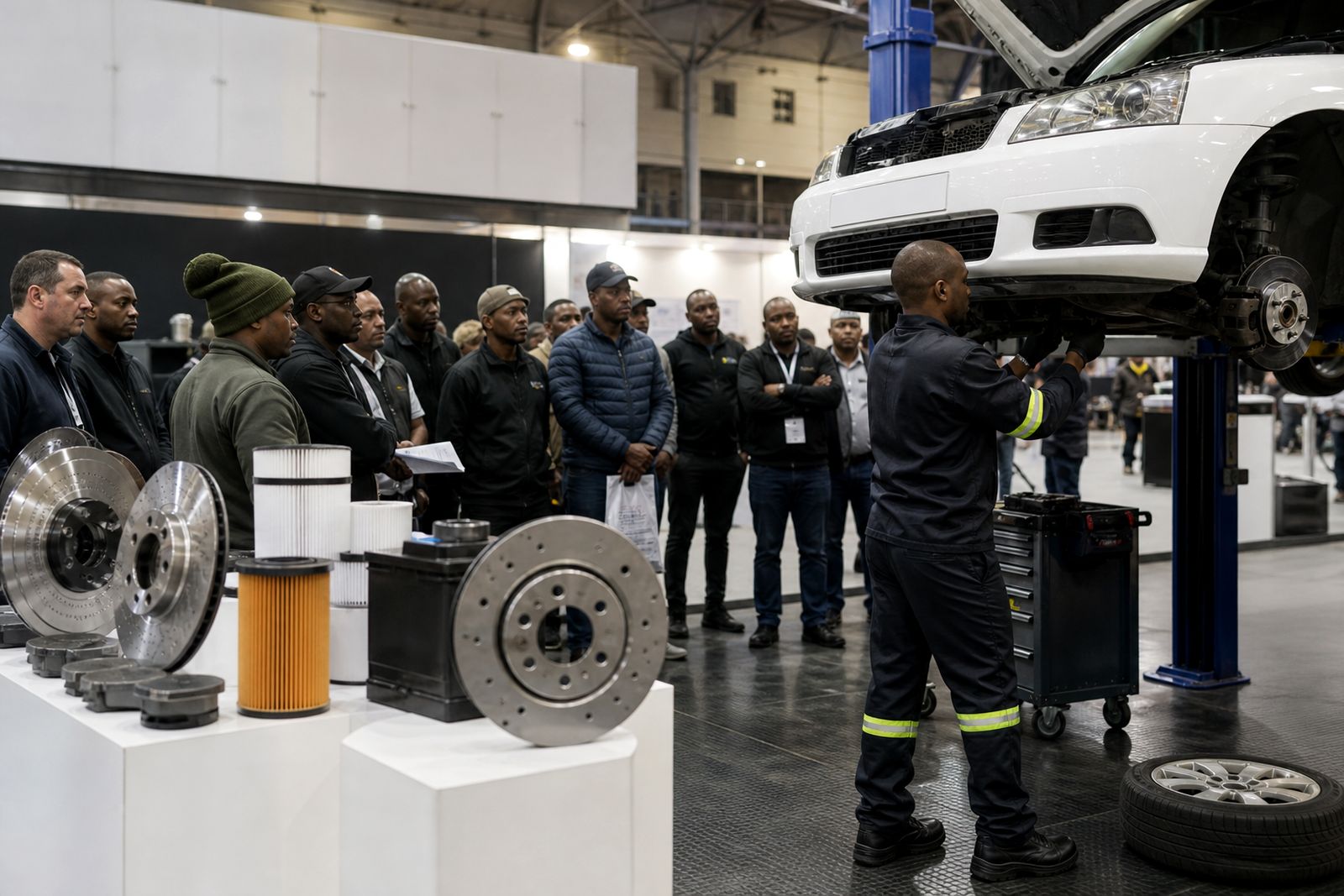
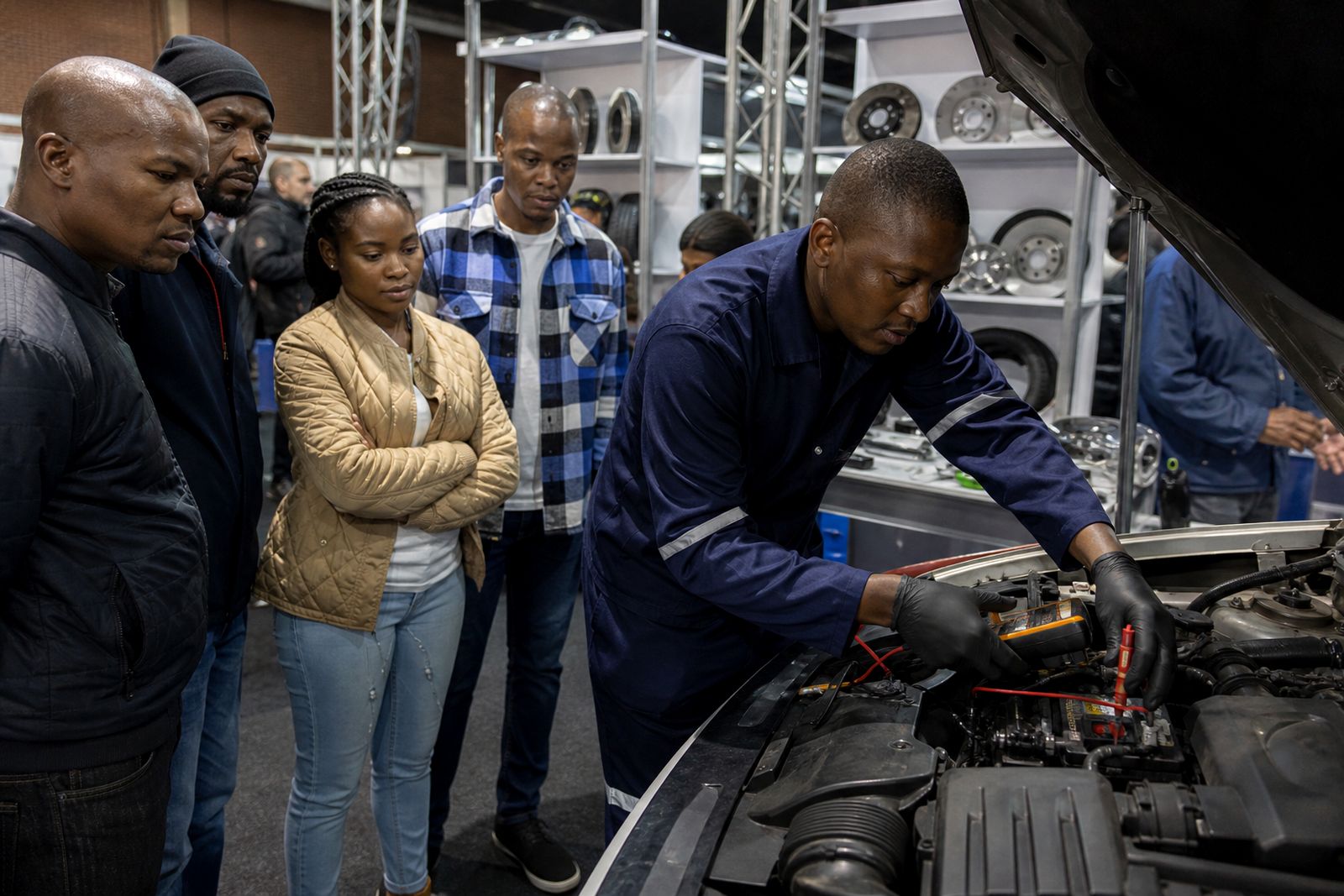
The live workshop demos are set up for buyers and technical teams who want to see products and procedures in use, not only on a shelf or stand. On this floor, exhibitors show how parts are fitted, tested, adjusted and checked under normal workshop conditions, with tools, lifts, scan equipment and trained operators working through real tasks on real cars.
The focus is the everyday aftermarket work done by workshops and fitment centres across Johannesburg and the wider Southern African market. That includes brake service work, suspension checks, battery testing, charging system checks and fault-finding with diagnostic tools. Some demos are quick and product-led while others run through a full job from vehicle inspection to final test steps.
If you are planning your route through the show, use this section to decide whether you need the brake and suspension area, the diagnostics and battery area, or both. Buyers often start where their current stock needs are highest, then move to the demos that answer workshop questions from their branch teams.
Why these demos matter to workshops and buyers
A live demo gives you more than a catalogue specification. You can watch how long a job takes, what access is like on the vehicle, what tools are needed and which checks should not be skipped. For workshop owners and supervisors, that can help with training decisions and bay planning. For distributors and parts buyers, it helps when comparing ranges that may look similar on paper.
- See fitting steps in the right order, including inspection before parts are changed.
- Compare how different product categories affect labour time and workshop flow.
- Ask technical questions about wear patterns, repeat failures and common fitment mistakes.
- Watch test equipment being used correctly, rather than only displayed on a stand.
- Understand what stock lines support the job from start to finish, not just the main replacement part.
This is useful for businesses serving city traffic vehicles, long-distance fleet work and mixed parc conditions across the region. Dust, heat, stop-start driving and neglected service intervals all show up in different ways and that comes through clearly in a practical demo.
Brake and suspension or diagnostics and batteries
Most visitors choose between two main demo streams first. If your business handles routine service and safety work every day, start with brake and suspension. If you deal with modern electrical faults, battery complaints and warning lights, start with diagnostics and batteries. Many visitors do both, but choosing your first stop helps you use your time better.
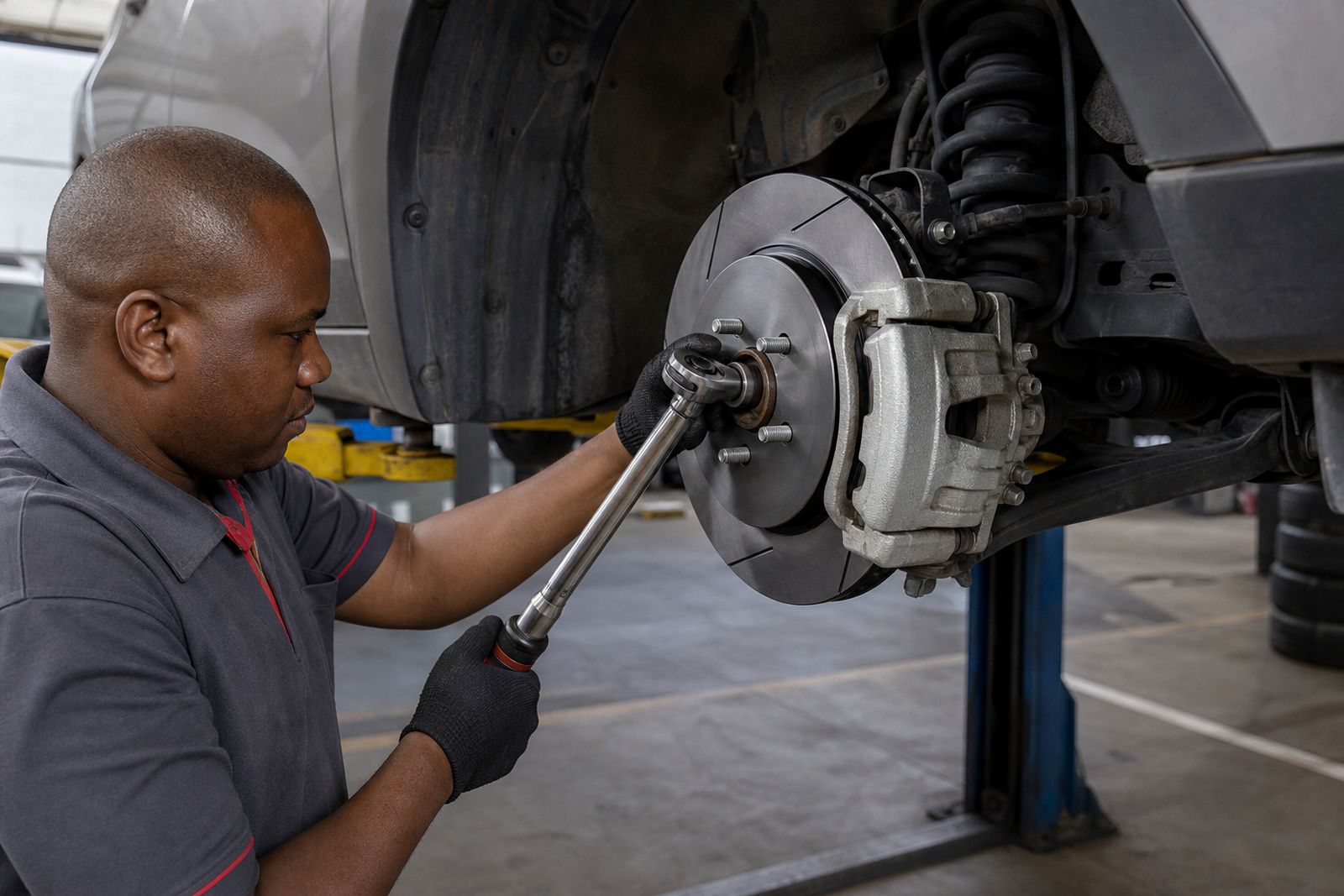
- Choose brake and suspension demos if: you want to compare pad and disc replacement steps, inspection methods, wear symptoms, bush and shock checks, or wheel-end service practice.
- Choose diagnostics and battery demos if: you need to see scan tool workflow, battery testing, charging system checks, fault code handling or start-stop related service procedures.
- Choose both areas if: your workshop does full mechanical intake and you want to review how electronic checks tie in with traditional undercar work.
Brake and suspension sessions tend to suit workshop floor staff, technical supervisors and parts teams focused on fast-moving service items. Diagnostics and battery sessions are often useful for electrical technicians, fitment centre operators and buyers reviewing testers, chargers and related stock lines.
What to look for during a good demo
Not every live demo answers the same questions. A useful one should show the condition of the vehicle before work starts, explain why the fault or wear matters, and then take the audience through the job step by step. Good presenters also explain safety points, tool requirements and final checks. If those parts are missing, the demo may look busy but leave you with little to take back to the workshop.
Look closely at whether the operator explains the reason for each step and not only the product being fitted. Also note if they cover workshop realities like seized fasteners, limited clearance, sensor resets or battery registration where needed. Those details matter in day-to-day aftermarket work, and they are often where time gets lost.
- Pre-job inspection and fault confirmation.
- Correct tool choice and bay setup.
- Parts handling, fitment points and torque or test checks where relevant.
- Post-fit verification, warning light checks and road-ready sign-off steps.
Planning your time on the show floor
The demo areas can draw steady crowds, especially when the subject is a common service job. If you are visiting from outside Johannesburg, it helps to plan your day around the technical areas that match your business first, then leave time for stand visits afterwards. That way you see the practical side before discussing ranges, supply terms and support with exhibitors.
For workshop groups, send the right people to the right sessions. The owner or branch manager may want to compare product support and training value, while the workshop lead will focus on fitment time, access and repeatability. A parts purchaser may watch for linked stock opportunities such as sensors, fluids, hardware and test equipment. Small planning upfront saves a lot of walking later and makes the day less rushed.
Using what you learn after the show
The value of a live demo is highest when the visit leads to action back at the branch or workshop. Take notes on any fitting steps, equipment requirements or common faults that keep coming up. Then use those notes to review your own intake checks, staff training points and parts stocking choices.
Visitors often leave with a clearer idea of which jobs need better testing before parts are replaced, and which product categories need stronger coverage in store. A short debrief with your team after the show can help turn what you saw into workshop practice, buyer decisions and better communication with counter staff. If you want to ask about attending or taking part in a demo area, use the enquiry form on our contact page.
What our Aftermarket Trade Show customers say
Verified Google reviews
Questions we get asked
Are the live demos only for workshop owners?
No. They are useful for workshop owners, fitment centre staff, technical supervisors, parts buyers and distributors who need to understand how products are used in real service work.
Will I see real vehicles in the demo areas?
Yes. The live demo section is built around practical jobs on real vehicles so visitors can see access, fitting steps, testing procedures and final checks in context.
How do I choose between the demo areas?
Start with the area that matches your day-to-day work. Choose brake and suspension for routine mechanical service work, or diagnostics and batteries for electrical testing and fault-finding.
Book a stand or register to visit
Send a note through our contact form saying whether you supply parts or equipment, or run a workshop, distributor or fitment centre, and our team will reply with the next steps.
Open the contact form