Diagnostics and battery demos
Diagnostics and battery demos give buyers a practical look at testing, charging and fitting equipment in use. This area is planned for steady visitor flow, safe power supply and clear product comparisons for workshops, fitment centres and parts distributors.
What is included in this demo area
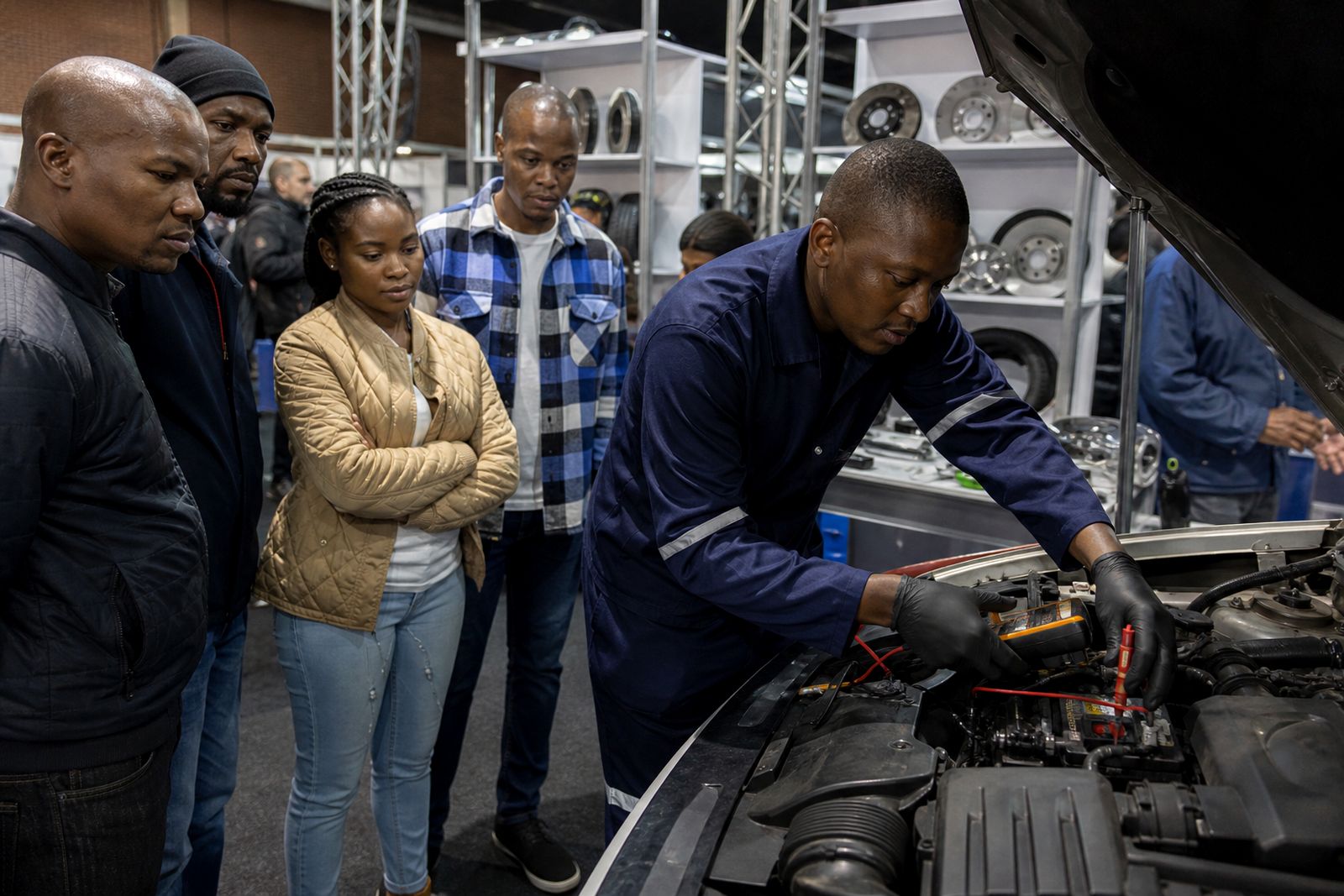
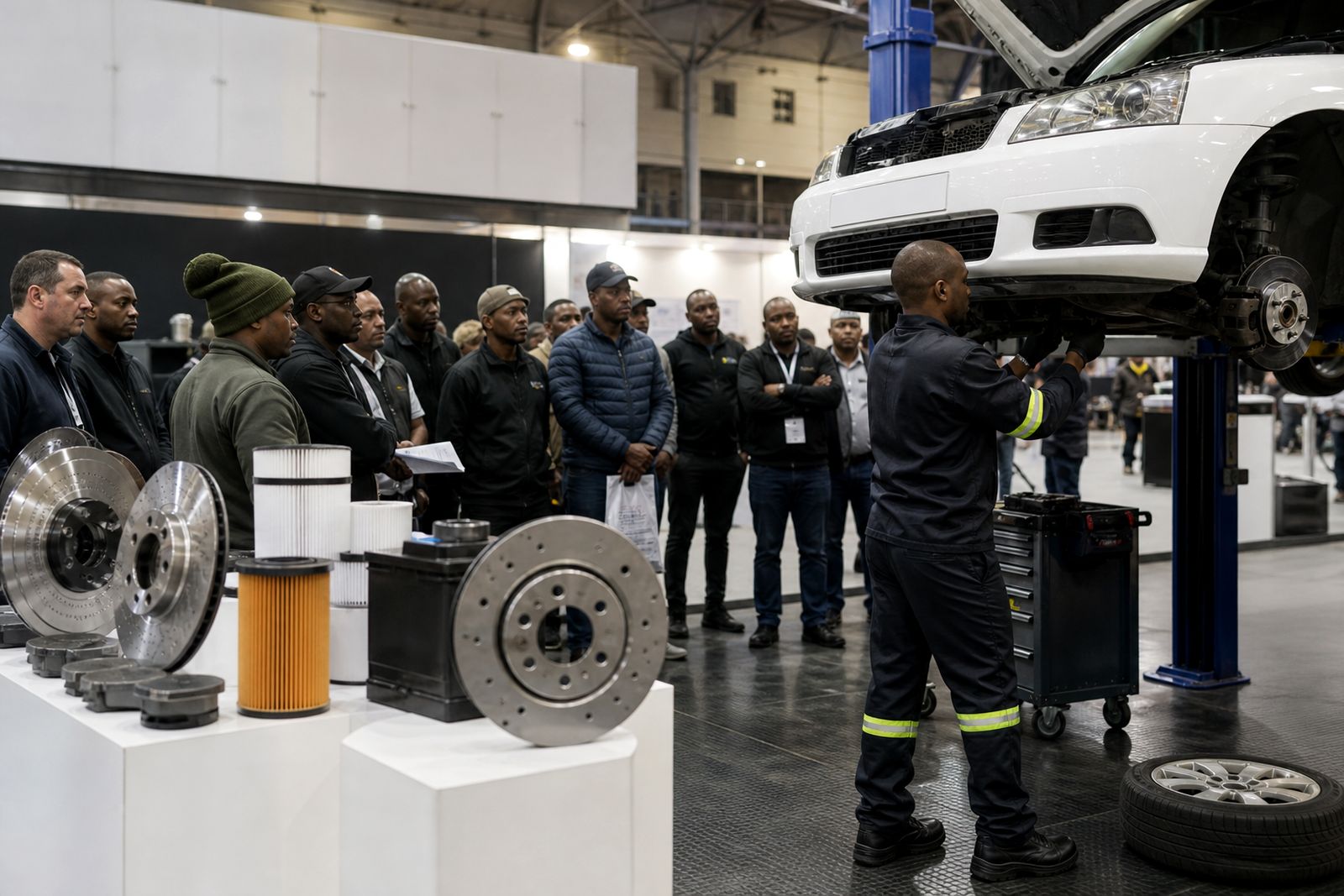
The diagnostics and battery demo area is for suppliers who need more than a static stand. It is suited to scan tools, charging units, battery testers, electrical system testers, jump-start support units, fitting trolleys and related workshop equipment. Visitors can watch fault finding, charging cycles, battery condition checks and vehicle-side fitting procedures without blocking the aisles.
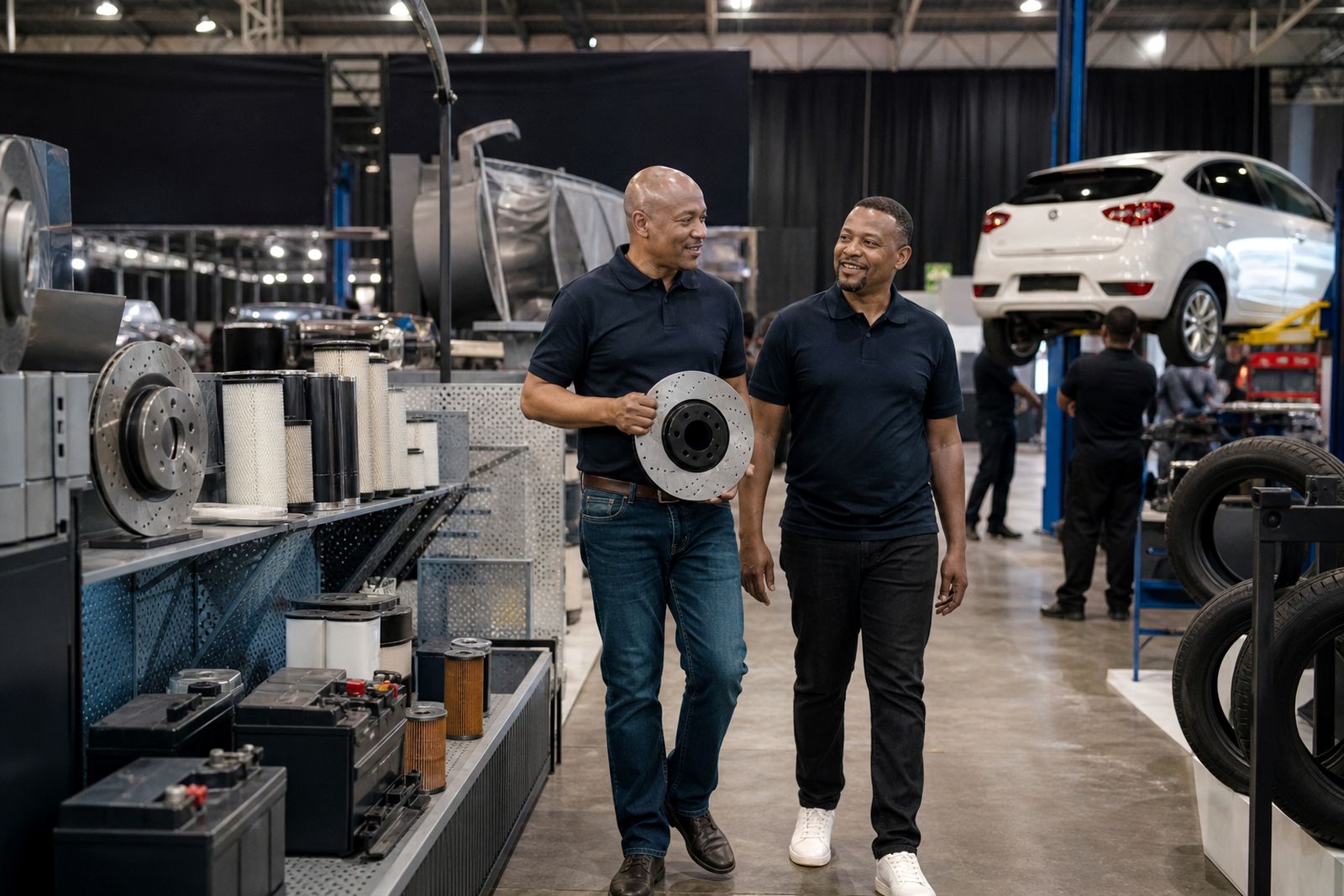
We help position these demos so they make sense for trade buyers. A parts distributor may want side-by-side comparisons and stock range discussions, while a workshop owner may focus on speed, training and compatibility with everyday vehicles. The layout keeps display stock, working units and visitor viewing space separate, which helps the operator work cleanly and safely.
- Allocated live demo floor space within the diagnostics and battery section
- Power planning for low-draw and higher-draw equipment
- Visitor viewing room around the active demo point
- Guidance on safe cable routing, barriers and operator space
- Coordination for repeat demo times during show hours
How the demo process works
Planning starts with the equipment list. Before the show, the exhibitor submits the machines and accessories they want to run, the power draw, the working voltage, the battery types to be demonstrated and whether any vehicles, trolleys or benches are coming onto the floor. This lets the operations team place the stand correctly and check utility needs.
Next comes the running order. Most exhibitors do better with short repeated demonstrations rather than one long technical session. A simple sequence works well: identify the battery state, connect the tester, explain the reading, move to charging or support mode, then show fitting procedure or system reset where relevant. Buyers can join at any point and still understand the use case.
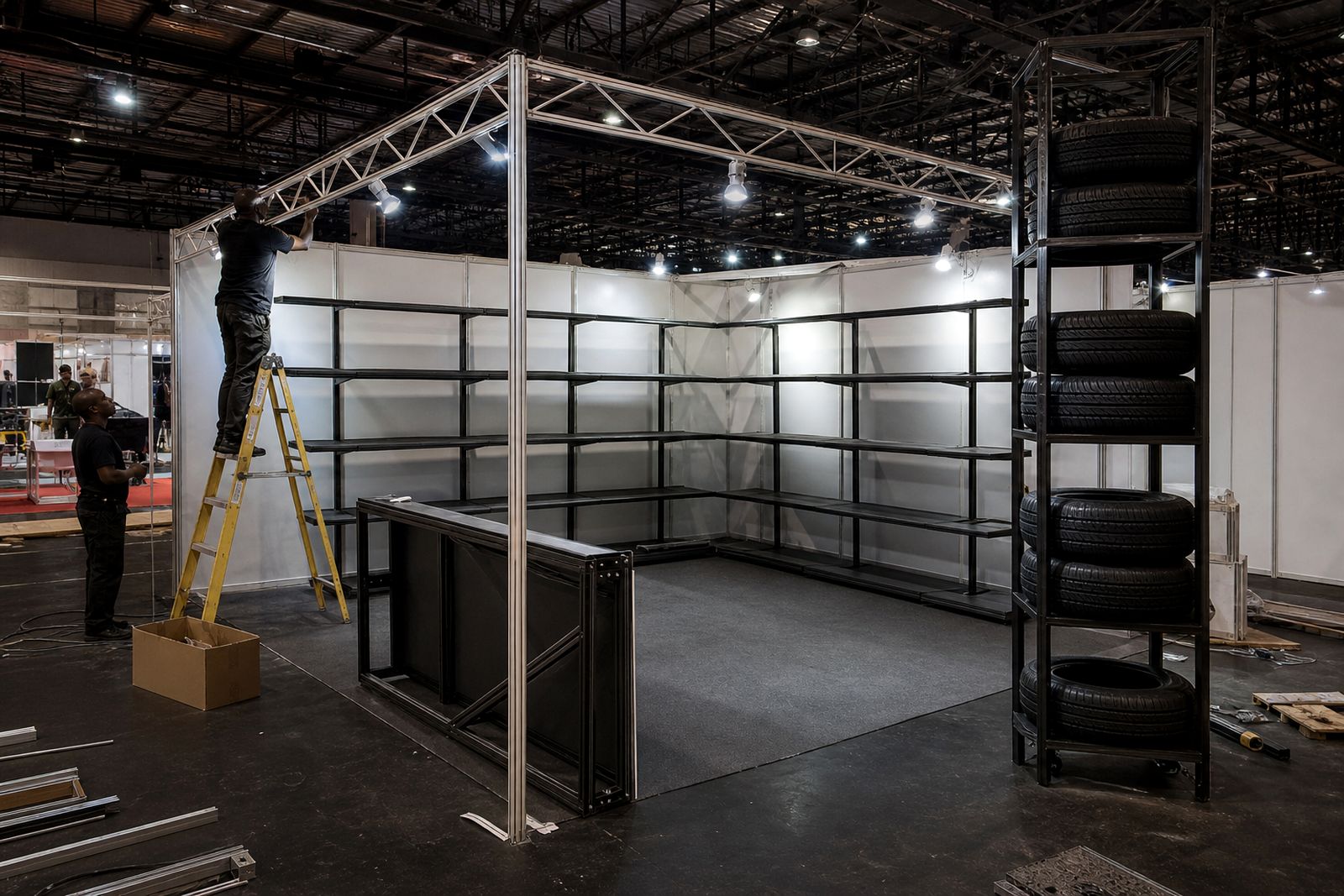
On build-up, the operator checks connections, display stock and working samples. A final floor walk confirms that the demo can be seen from the aisle without creating a crowd pinch point. If there is backup power on the stand for sensitive electronics, that should be tested early, not once visitors are already there.
- Submit demo equipment and utility requirements
- Approve the stand footprint and operating layout
- Confirm repeat demo times and staffing plan
- Test all working units during move-in
- Run live sessions with clear reset time between groups
What exhibitors need to prepare
Battery and diagnostics demos work best when the exhibitor brings equipment that is ready for trade-floor use rather than workshop-only use. Cables should be marked, connectors checked and each unit labelled clearly for visitors who are comparing options. If a tool requires software activation, language selection or accessory pairing, do that before opening time.
Bring enough working samples for repeated use through the day. If you are demonstrating battery fitting, include common hold-down examples, terminal adapters and lifting aids where needed. If the unit is used near a vehicle or mock-up station, the exhibitor must provide the correct protection items and keep the work area tidy. It sounds obvious but loose leads and extra cartons can make a demo look messy very quickly.
- Power ratings for every active unit
- Battery chemistry details such as lead-acid, AGM, EFB or lithium where applicable
- Safe operating instructions for visitors standing nearby
- Any consumables, spare leads, clamps and fuses
- Printed demo steps for staff so each session stays consistent
Technical specs and floor requirements
This zone is planned around practical operating needs. Many testing units are compact, but charging systems and support equipment can require a steadier supply and more breathing room. If a demo includes a vehicle, trolley or charging bench, we allow enough turning and operator space so the presentation does not spill into the aisle. In Johannesburg, indoor halls can warm up quickly once the crowd builds, so equipment ventilation should not be blocked by banners or stock.
Where battery demos include charging or support mode, exhibitors should account for cycle time and recovery time between sessions. Fast resets help, especially when buyers ask to see the same process twice. Sensitive electronics should be protected against brief power interruptions, and backup planning is important for continuity during power cuts.
Typical setup details are confirmed per stand, but the guide below covers the main working range seen in this area.
How pricing is worked out
Pricing for diagnostics and battery demos is based on the size and complexity of the space rather than a flat rate. A simple tabletop tester display with short live checks is usually more straightforward than a full charging and fitting presentation with benching, battery stock, barriers and repeat operator sessions. Utility demand also matters, especially where dedicated power points or extra distribution are required.
Build elements, storage, graphics, handling and any special safety controls are considered separately where needed. If your demo includes a vehicle, larger charging hardware or repeated hands-on sessions, expect the budget to reflect extra floor space and operating support. We keep the pricing discussion practical so exhibitors can decide what level of live demonstration is worth it for their buyers.
- Stand size and position in the live demo zone
- Electrical requirements and number of connection points
- Complexity of the demonstration sequence
- Need for barriers, benches, storage or extra handling
- Duration and frequency of scheduled live sessions
Aftercare and follow-up after the show
Good demo results depend on what happens after the floor closes. Exhibitors should sort leads quickly: workshop owners looking for fitting speed, distributors comparing range coverage, and technical buyers asking about compatibility or training. Notes taken during each session help your team respond properly once they are back at the office.
Pack-down should be organised just as carefully as setup. Batteries, chargers and testing units must be isolated, packed and labelled correctly for return transport. If stock has been opened for display, check terminals, leads and manuals before it goes back into cases. A tidy close makes the next event easier and reduces missing items.
For future participation, review which demos held attention best. In many cases, a short live fault-finding sequence followed by a battery health explanation gets more buyer engagement than a long technical talk. Keep what worked, drop what slowed the stand down, and come back with a clearer run sheet.
What our Aftermarket Trade Show customers say
Verified Google reviews
Questions we get asked
Can we bring a vehicle onto the stand for battery and diagnostics demos?
Yes, if it is approved in advance with the correct floor plan, dimensions and operating method. We need this early so space, access and safety controls can be checked.
Do we need to run live demos all day?
No. Short scheduled sessions usually work better than constant operation. They create a clear reason for buyers to stop and they give your team time to answer technical questions between runs.
Is this area suitable for both parts distributors and workshop buyers?
Yes. The format suits stock range discussions for distributors and practical use-case demonstrations for workshops and fitment centres.
Also worth a look
Book a stand or register to visit
Send a note through our contact form saying whether you supply parts or equipment, or run a workshop, distributor or fitment centre, and our team will reply with the next steps.
Open the contact form