Planning a day at the show
A bit of planning makes the day easier, especially if you need to compare suppliers across more than one category. This guide helps workshops, fitment centres and parts distributors decide where to start, what to carry, and how to keep notes that are useful back at work.
Start with a clear buying list
Before you leave Johannesburg traffic behind and head in, decide what the day must deliver. Some visitors come to compare brake lines, filter ranges and battery options. Others need tyre supply discussions, workshop equipment answers, or a closer look at body shop products. If you try to do all of it without a list, you can lose half the day in aisles that are useful but not urgent.
Write down your top three buying priorities and keep them in your phone or notebook. If you run a workshop or fitment centre, include the parts categories you actually move every month, plus any service bottlenecks that need fixing. If you are a parts distributor, note the ranges your branch network asks for most often and the pack sizes, delivery terms and support material you need to ask about.
- List the product groups you must see first.
- Note current supplier gaps such as stock consistency, support, training or warranty handling.
- Set a target for the day, for example finding two alternative suppliers in each priority category.
- Agree who in your team will ask technical questions and who will record pricing or range notes.
Walk the parts halls first
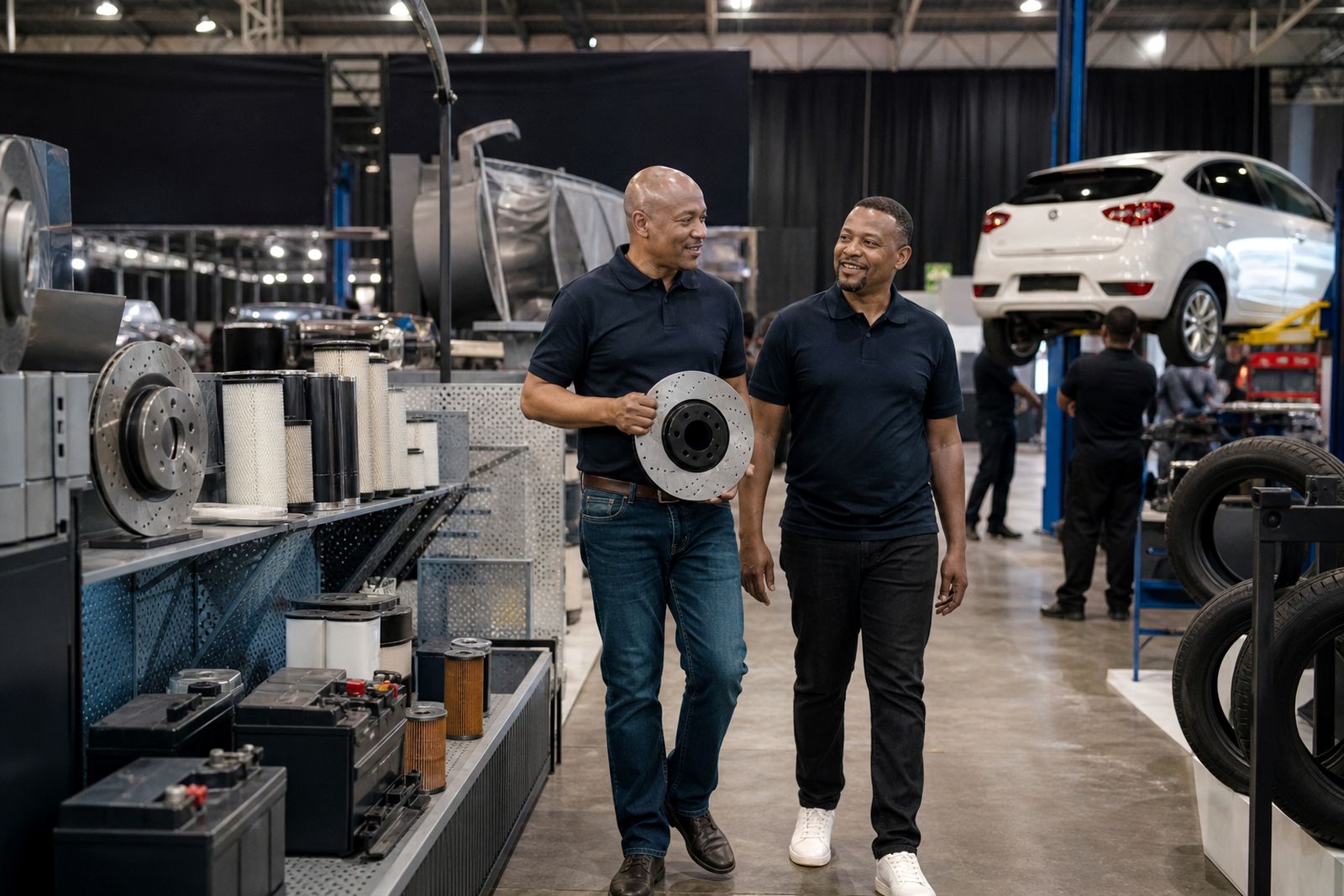
For most buyers, the best first stop is the main parts supplier area. Start there while your attention is fresh and your bag is still light. Brake, filter, battery and tyre stands often generate the most follow-up work because they affect everyday purchasing, workshop throughput and shelf planning. Cover these aisles early, before you get pulled into long side conversations later in the day.
A sensible route is to begin with the category that matters most to your turnover, then move to the next closest buying priority. For example, if your workshop is reviewing consumables and fast-moving service items, filters and batteries may come before tyres. If your fitment centre is chasing repeat alignment and braking work, brake-related stands should come first. Keep each first pass short. Do one quick lap to identify the stands worth a proper return visit, then go back for detailed discussions.
If you are attending with a branch manager, buyer or workshop lead, split the first hour by aisle and regroup after. That can save a lot of backtracking, and it helps you compare notes while details are still fresh.
Use the demo areas at the right time
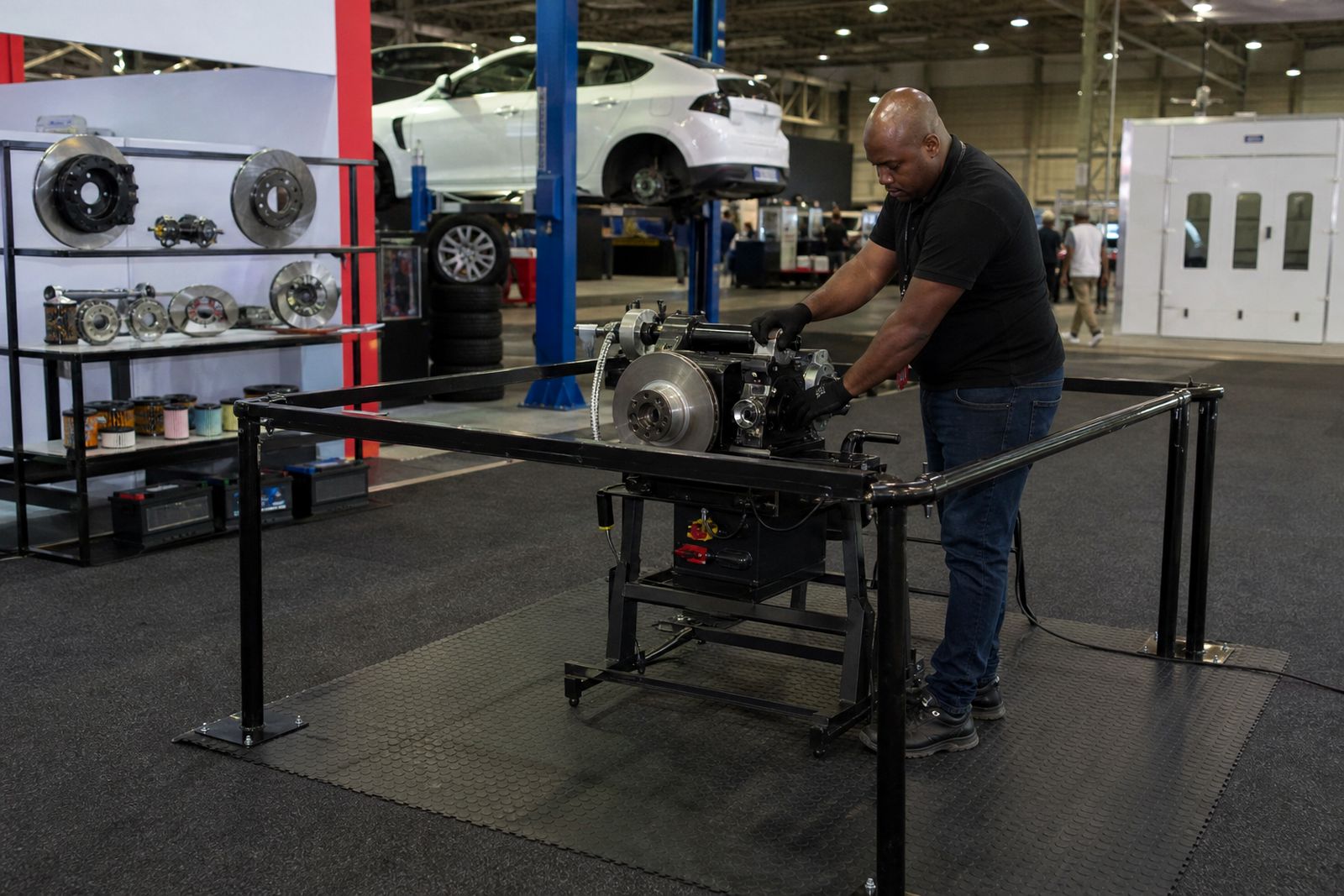
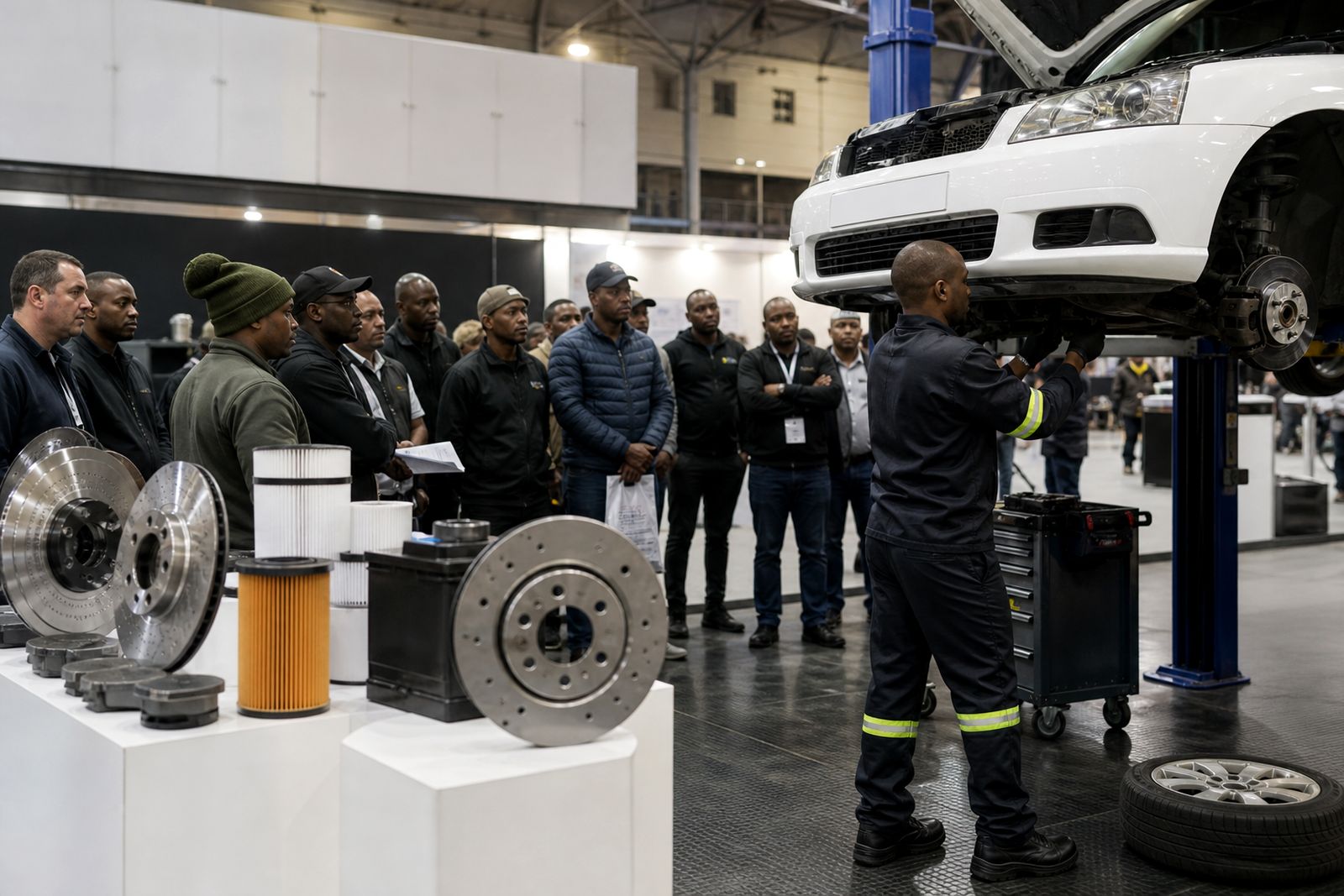
Live demonstrations are useful when you already know what question you need answered. Rather than stopping at every activation, choose demos that relate directly to a purchasing decision, a workshop process problem, or staff training need. Brake and suspension sessions can help a workshop assess fitment practicality, service procedures and the kind of support a supplier offers after the sale. Diagnostics and battery demonstrations are especially useful if your team handles fault-finding daily and needs quicker turnaround on modern vehicles.
Try not to schedule demos too early in the day unless that topic is your main reason for attending. Product comparisons in the halls usually shape which demonstrations are worth your time. Once you have seen the parts ranges and spoken to suppliers, the demo area becomes more meaningful because you can test claims against what you have already heard.
- Choose no more than three live demos to watch properly.
- Stand where your technician or operator can see the process, not only the screen.
- Ask what support is available after purchase, including training and consumables.
- Check whether the demo setup matches real workshop conditions, not only a clean display area.
Leave enough time for the body shop hall
If your business touches accident repair, refinishing or preparation work, keep a proper slot open for the body shop hall. This section is easy to rush, but it deserves time because equipment choices affect floor space, extraction planning, municipal compliance and running costs. Spray booth discussions often go beyond the machine itself into airflow, installation requirements, servicing access and power supply. Panel-beating and repair suppliers may also raise layout questions you need to take back to your premises team.
Bring site dimensions if you have an equipment project in mind. A rough sketch with wall lengths, door positions and ceiling height is far more useful than a general description. In coastal conditions, humidity control and corrosion resistance can matter more, while inland sites may focus more on dust management and heat. Ask practical questions, not just broad ones. You want to leave knowing what the equipment needs from your building and daily operation.
For buyers who are only partly involved in body repair, a shorter visit is still worthwhile because it gives context on how upstream parts supply and downstream repair workflow connect.
What to bring with you
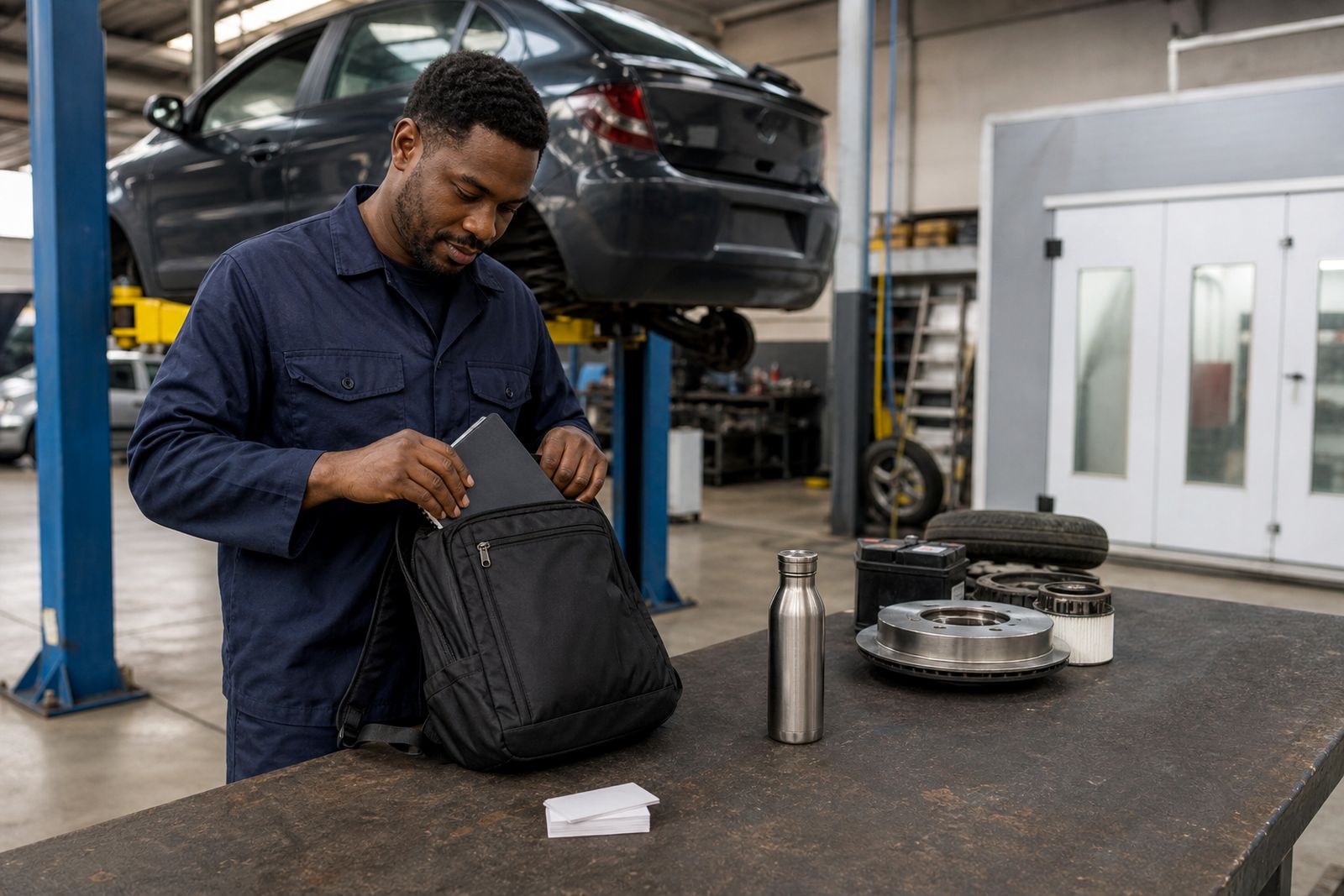
The most useful visitors are usually the ones who arrive prepared. Comfortable shoes matter because you will cover a fair distance across the day. A charged phone and power bank help, especially if there are power cuts on your route or you are using your phone for notes, photos and contact requests. Keep your bag light enough to carry for several hours.
Bring information that helps exhibitors answer your questions properly. If you are comparing ranges, take a short list of the vehicle parc or fitment patterns you deal with most. If you are looking at equipment or workshop products, carry basic site measurements and a few photos of your working area. That saves time and gets you better answers on the day.
- Comfortable shoes and a light jacket for changing hall temperatures.
- Phone, charger and power bank.
- Notebook or note app with a clear supplier comparison template.
- Site measurements, layout photos or vehicle application notes where relevant.
- Business cards if your team still uses them, though a phone note works just as well.
- A bottle of water and any personal medication you may need.
Keep better notes than brochures
Brochures are useful, but they are rarely enough once you are back at the branch or workshop trying to remember who offered what. After each conversation, write down the point that made the stand worth your time. That could be a product gap they cover, a packaging option that suits your shelves, a training offer for your technicians, or a warranty process that looks easier than your current one.
Use the same headings for every supplier so comparisons stay fair. A simple method is product range, support, delivery, training, workshop relevance and follow-up action. Score each one quickly out of five if that helps you sort the list later. It sounds basic but it works. By mid-afternoon many stands and conversations start to blur together.
Before you leave, sit down for ten minutes and agree the next steps with anyone who attended with you. Decide which suppliers need a follow-up meeting, which demos were genuinely useful, and which halls need another visit next time. That short review stops good leads from being buried under a pile of leaflets.
What our Aftermarket Trade Show customers say
Verified Google reviews
Questions we get asked
Which hall should I visit first?
Most buyers should start in the main parts supplier halls, especially if brake, filter, battery or tyre supply is the main reason for attending. Leave specialist areas and longer demos for later once your priority comparisons are done.
How much time should I allow for live demonstrations?
Choose a few demonstrations that match your current buying or workshop needs rather than trying to watch everything. Two or three focused sessions are usually more useful than a full day of stop-start viewing.
What should I bring if I want to discuss workshop or body shop equipment?
Bring rough site measurements, ceiling height, door positions and a few phone photos of the space. That gives suppliers enough detail to explain practical fit, service access and utility requirements.
Also worth a look
Book a stand or register to visit
Send a note through our contact form saying whether you supply parts or equipment, or run a workshop, distributor or fitment centre, and our team will reply with the next steps.
Open the contact form