Parts distributors
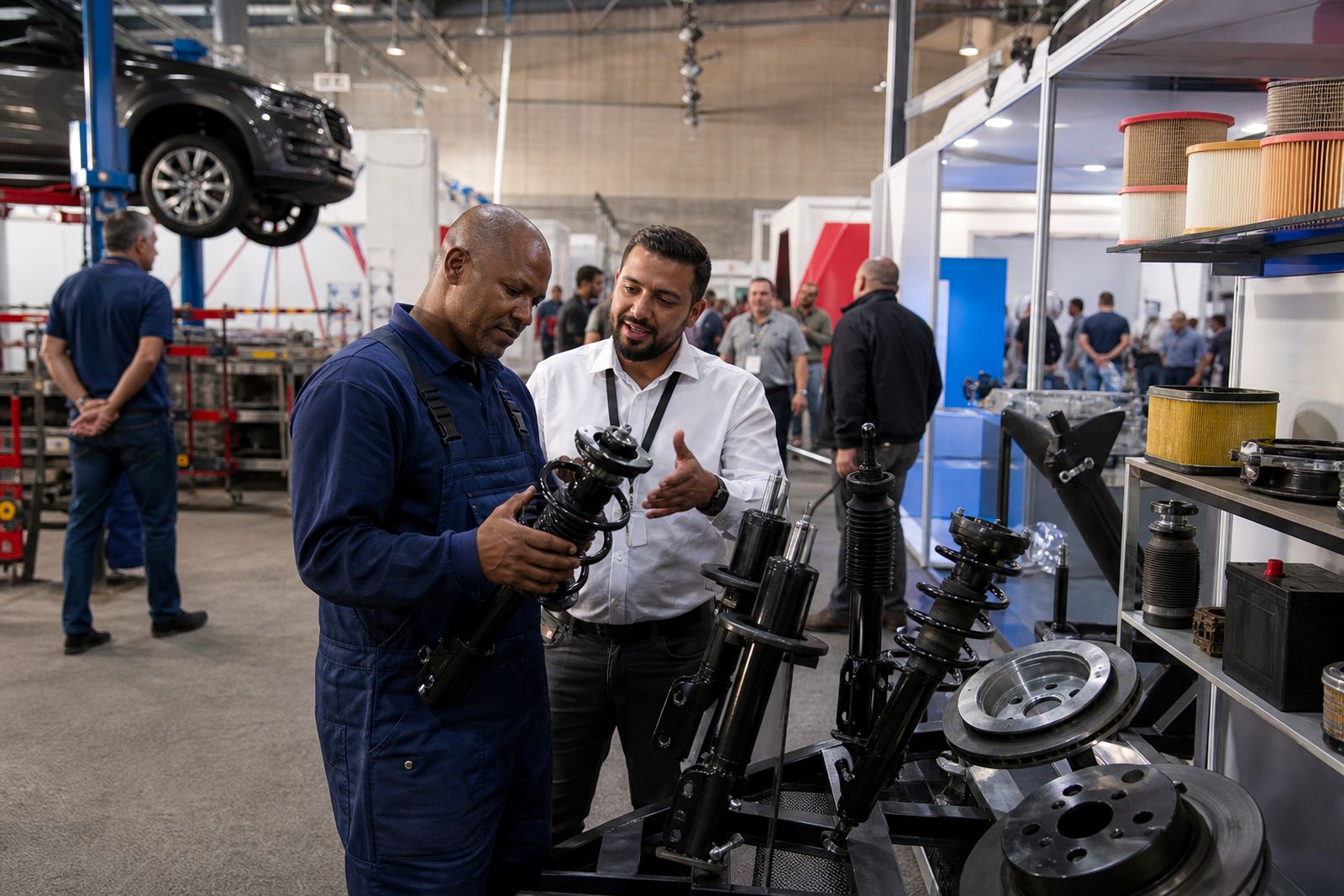
Africa Trade Show gives parts distributors a practical way to compare aftermarket ranges in one visit. Buyers can meet suppliers, watch live workshop demos and assess new stock lines for workshops and fitment centres across Southern Africa.
Why parts distributors visit
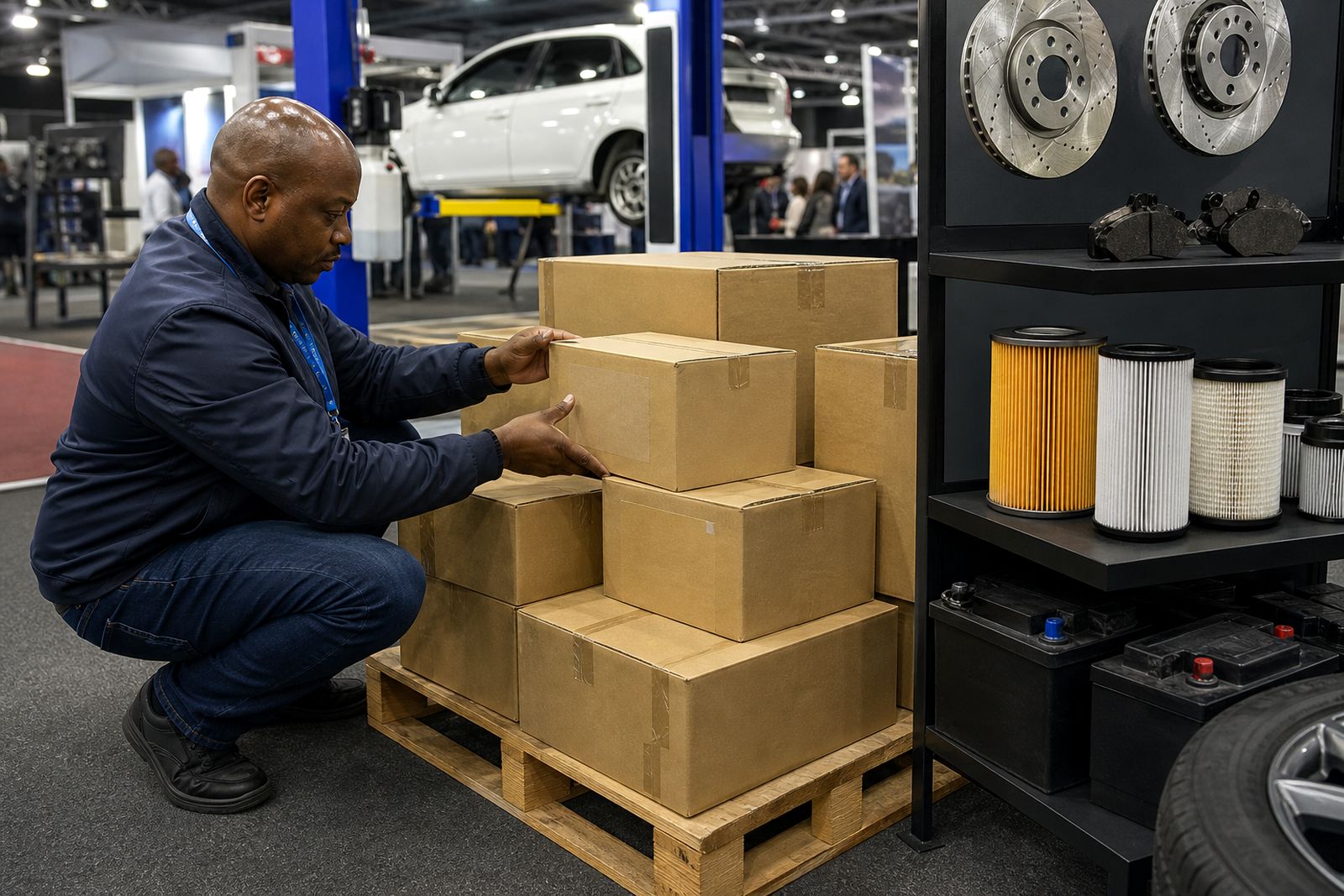
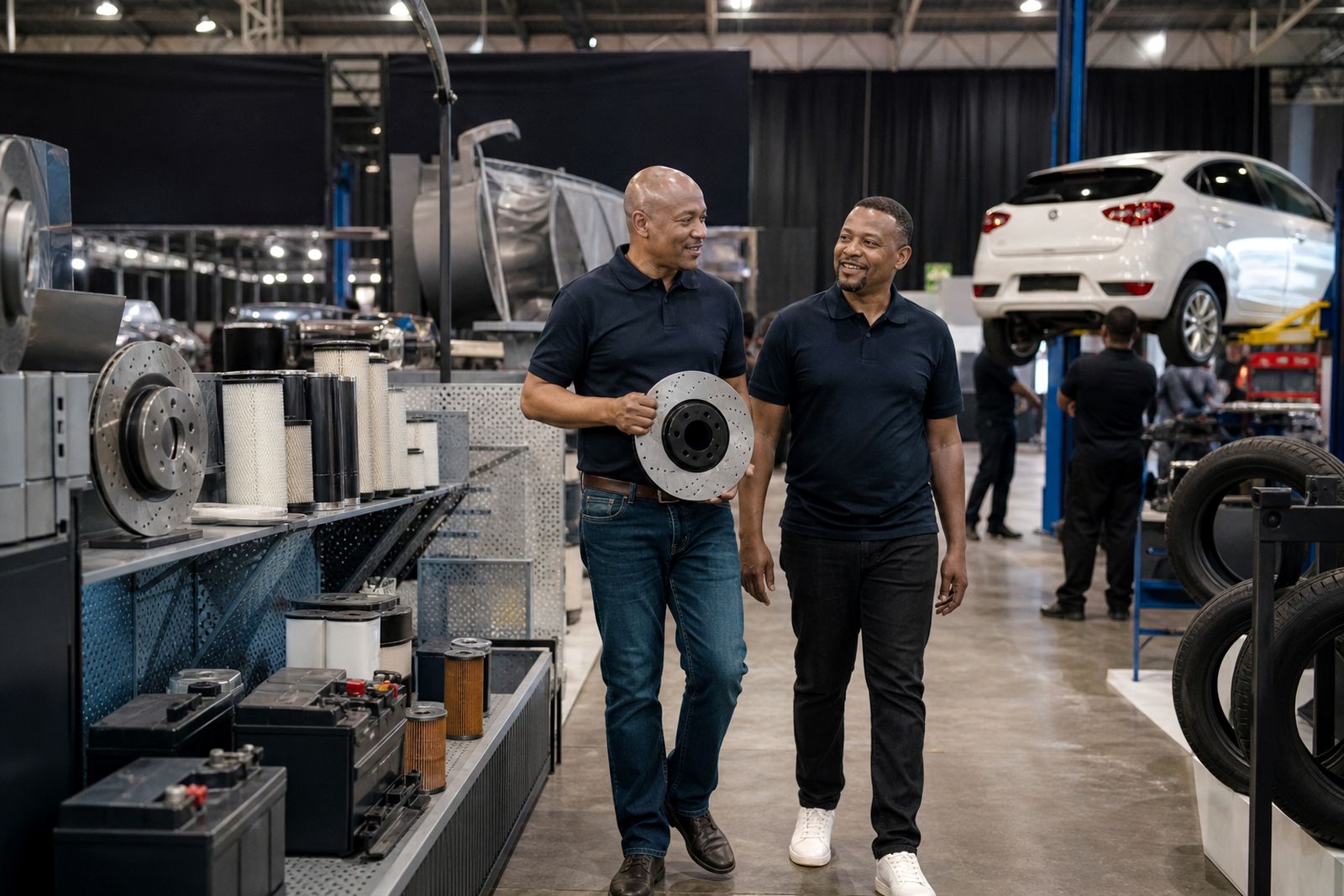
For distributors, the value of the show is simple: more range comparison in less time. Instead of setting separate supplier meetings across different towns, buyers can review brake, filter, battery and tyre product lines in one organised environment, then move to live demo areas to see how those products perform in workshop conditions.
The show is built around trade conversations. That means product availability, pack sizes, application coverage, warranty handling, merchandising support and workshop demand can all be discussed face to face. Buyers from Johannesburg and the wider Southern African market use the visit to shortlist suppliers, check whether a line fits their branch profile and confirm what can move well through workshop and fitment-centre channels.
- Compare multiple aftermarket categories during one trip
- Meet suppliers that serve distributors, workshops and fitment centres
- Review new ranges before committing branch space
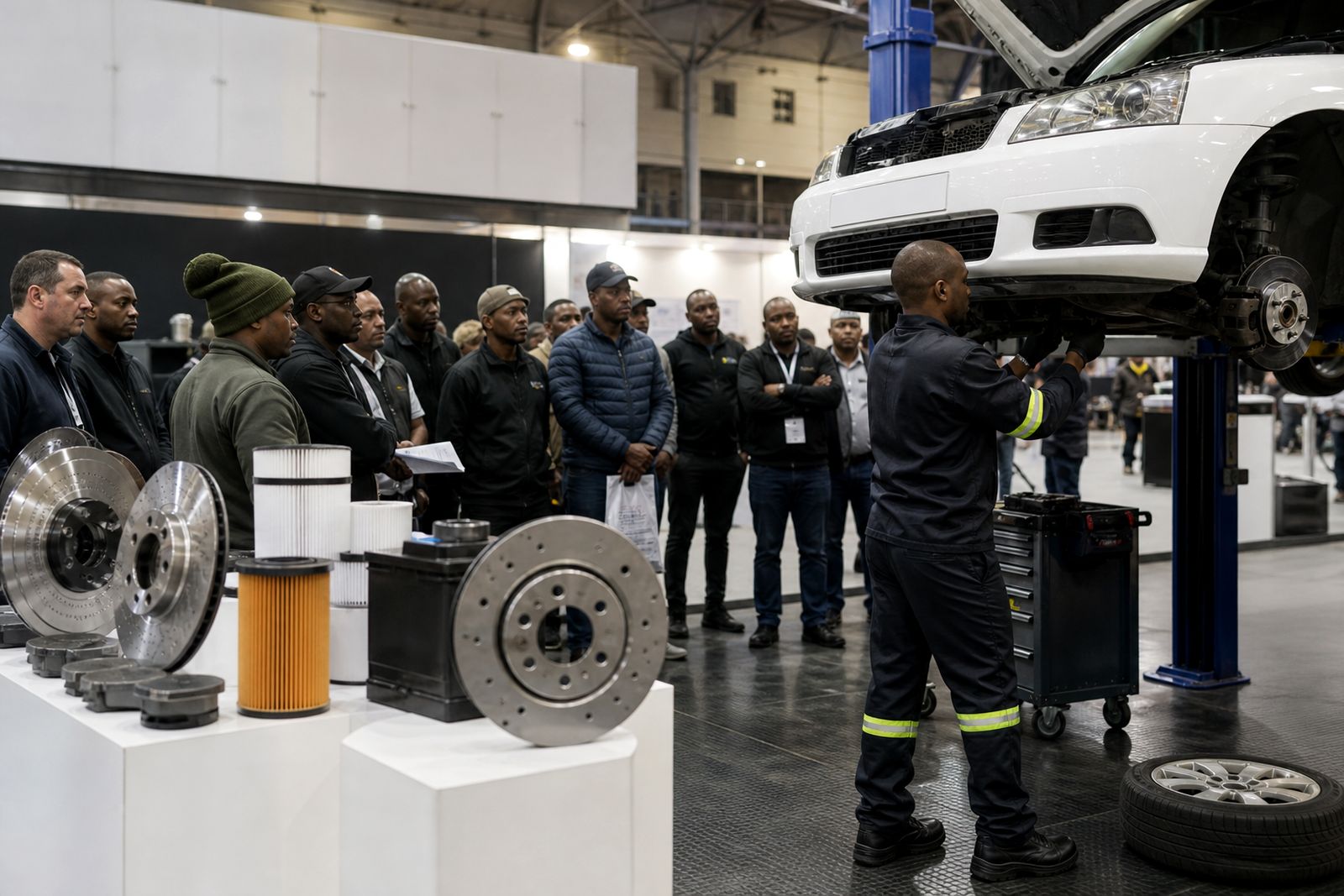
- See live demonstrations that help with technical selling
- Visit the body shop hall for panel-beating and spray booth supply lines
What is included in a distributor visit
A distributor visit includes access to the main product areas, the live demo programme and the body shop hall. Buyers can move between supplier stands, speak to technical and sales teams, gather range information and compare options by vehicle parc, price band and workshop demand. If your business serves collision repair customers as well, the dedicated hall helps with sourcing for body repair and finishing work.
The show suits branch managers, category buyers, procurement teams and regional decision makers. Many distributors attend with a clear category focus, but it is common to identify adjacent opportunities on the day, especially where a branch serves both general service work and specialist repair trade. It helps to allow enough time as meetings often run longer than planned.
- Main halls for aftermarket parts and consumables
- Live workshop demos for practical product application
- Dedicated body shop hall for repair and finishing supply lines
- Trade conversations with supplier sales and technical teams
- Guidance through the enquiry form if your team needs planning help
How the visit works step by step
Start by deciding what your buying team needs to achieve. Some distributors come to replace an underperforming line, others want to broaden coverage or test demand for a new category. Once your internal aim is clear, submit your enquiry through the contact page so your visit can be aligned to the right areas of the show.
Before the event, map out your priority categories and branch requirements. On arrival, most teams begin with the product zones that matter most to turnover, then move into live demos where fitment, diagnostics or service procedures can be assessed in a practical setting. After supplier conversations, buyers usually narrow the list to the ranges worth taking into branch review or procurement assessment.
- Step 1: Define your buying objective by category, branch or region
- Step 2: Send an enquiry through the contact page
- Step 3: Plan which zones and demos matter most to your team
- Step 4: Meet suppliers and collect range information
- Step 5: Compare commercial terms, coverage and support
- Step 6: Follow up internally after the show with your shortlist
What your team should prepare
The most productive distributor visits are the ones backed by branch data. Bring a clear picture of your current range, average movement, problem applications, return issues and the gaps your sales staff deal with every week. If you operate across different climates or road conditions, note that too. Product demand in inland metros can differ from coastal regions where humidity and corrosion matter more.
It also helps to prepare a simple supplier scorecard before you arrive. That keeps conversations consistent and makes it easier to compare like with like later on. A buyer who walks in with branch needs, target margin bands and vehicle coverage priorities will get more from the day than someone collecting brochures only.
- Current category gaps and slow-moving lines
- Vehicle applications your branches are asked for most often
- Required pack sizes and merchandising needs
- Questions on warranty handling and returns process
- Preferred order volumes and supply expectations
- Notes from workshop customers on common fitment issues
How pricing is worked out
Pricing for a distributor visit is normally considered in two parts: event access arrangements and your own travel planning. The show itself may have visitor registration conditions depending on visitor type, while your business will also budget for transport, accommodation if needed, parking, meals and the time allocated by your buying staff. Because buyers attend from across Southern Africa, those costs vary from company to company.
On the supplier side, commercial pricing discussions are usually shaped by volume, branch footprint, category commitment, delivery expectations and support requirements. That means the show is best used to narrow options and understand how a supplier structures trade supply, rather than expecting every detail to be finalised on the stand. Final account terms and rollout plans are usually completed afterwards through normal procurement channels.
If you need clarity on visit planning, use the enquiry form and state whether your team is local to Johannesburg or travelling in. That helps keep the process practical and avoids wasted time.
After the show
The work after the visit is where value is made. Most distributor teams leave with several options, but the next step is to compare them against branch demand, storage space, working capital and workshop pull-through. A structured review within a few days is a good idea while product discussions are still fresh. Keep your notes tidy because different team members often pick up different details on the day.
Useful follow-up actions include checking technical fit, comparing stockholding implications and deciding whether to trial a range in selected branches first. If your business also sells into repairers, panel shops or tyre and battery fitment channels, your show notes can be shared with those sales teams for practical feedback before any wider rollout.
Africa Trade Show remains the point where these trade conversations start. If your next visit needs a stronger focus on demos, body shop supply or workshop-facing product lines, send an enquiry through the contact page and outline what your buying team needs.
What our Aftermarket Trade Show customers say
Verified Google reviews
Questions we get asked
Is this visit only for large distributors?
No. The show suits single-branch buyers, regional teams and larger distributor groups. The main thing is arriving with clear category goals and branch requirements.
Can we focus only on one category such as batteries or brakes?
Yes. Many buyers attend with a narrow sourcing brief. You can plan your day around one product zone, then add live demos or body shop suppliers if they are relevant to your customer base.
How do we arrange our visit?
Use the enquiry form on the contact page and explain whether you are based in Johannesburg or travelling from elsewhere in Southern Africa, plus which categories your team wants to review.
Also worth a look
Book a stand or register to visit
Send a note through our contact form saying whether you supply parts or equipment, or run a workshop, distributor or fitment centre, and our team will reply with the next steps.
Open the contact form